Monky: A Fun and Versatile Font for Creative Branding
I was recently tasked with refreshing the brand identity for a local café that had been around for over a decade. The challenge was to modernize their look while still maintaining a sense of warmth and familiarity. As I opened my blank brand board, I knew I needed a font that could balance playfulness with professionalism. That’s when I thought about Monky.
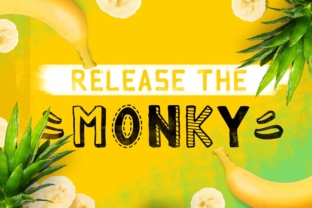
Monky is a fun and versatile sans serif font family that brings a bouncy, energetic vibe to any design. It’s not your typical go-to font; it has a personality that stands out in a crowded design space. With its rounded edges and playful shapes, Monky feels like it was designed to catch the eye and make a statement—perfect for a brand that wants to feel approachable yet unique.
The First Test: Logo Design
I started by testing Monky on a logo concept for the café. I wanted something that felt friendly but also professional enough for their menu and signage. Monky worked surprisingly well. Its light, bouncy curves gave the logo a youthful energy, which aligned with the café’s new direction of being more community-focused and casual.
What I loved most about Monky was its variety. The font includes multiple styles and added shapes, allowing for creative experimentation. I played with different weights and alternates to find the right balance between boldness and subtlety. It wasn’t just about the letterforms—it was about how they could be manipulated to suit the brand’s voice.
Monky in Action: Brand Identity and Packaging
As I moved into the brand board, I used Monky for headlines, taglines, and even some supporting text. It worked beautifully as a display font, drawing attention without overwhelming the reader. For packaging design, I placed Monky on mockups of coffee labels and product tags. The font’s versatility made it easy to adapt across different formats, from printed cards to digital assets.
One thing I noticed was how Monky performed at smaller sizes. While it might not be ideal for long body text, it held up well on business cards and social media graphics. Its clean lines and consistent spacing made it readable even in tight spaces, which is a big plus for designers working on multi-format projects.
Font Pairing and Design Flexibility
Monky isn’t just a standalone font—it’s a font family that invites creativity. I paired it with a sleek serif font for contrast, creating a dynamic visual hierarchy. This pairing worked especially well for editorial design and web layouts, where balance is key.
For a more modern look, I experimented with pairing Monky with another sans serif font. The result was a fresh, contemporary aesthetic that felt both playful and professional. Monky’s added shapes and ligatures also allowed for decorative touches without sacrificing readability.
One thing to keep in mind is that Monky is best suited for short phrases, headlines, and accents. It’s not the best choice for long-form content or formal corporate materials. However, for branding projects that require a bit of flair and personality, it’s a game-changer.
Practical Considerations and Licensing
Before using any font in client work, it’s essential to check licensing details. Monky is available in various file formats and supports multiple languages, making it a solid choice for international projects. However, always verify the commercial use rights, especially if you’re planning to use it on packaging, merchandise, or websites.
Testing a font in real-world scenarios is crucial. I recommend printing mockups and viewing them in different lighting conditions. Monky looks great on screen, but how it appears in print can vary. It’s also worth considering how it interacts with other design elements, such as color schemes and layout structures.
Final Thoughts on Monky
Monky is a font that feels like it was designed with creativity in mind. It’s not just a tool for designers—it’s a way to express personality and style. Whether you’re working on a café brand, a handmade shop, or a creative studio identity, Monky offers a unique blend of fun and functionality.
Its versatility makes it suitable for a wide range of applications, from logos and headers to social media graphics and packaging. While it may not be the best fit for every project, Monky is definitely worth considering if you’re looking for a font that adds character and charm to your design work.